Game Day T Shirt: A Designer's Real-World Review
As a designer who has spent years navigating the intersection of digital art and physical stitching, I approach every new asset with a critical eye. When I first opened the Game Day T Shirt file, I wasn't just looking for a pretty picture; I was evaluating a potential workhorse for my upcoming seasonal collection. The description promises premium vector formats suitable for everything from hoodies to flyers, but in the world of embroidery, "premium" means something very specific. It means clean lines that translate into smooth satin stitches and fill areas that don't pucker the fabric. This review breaks down how this design actually performs when you move it from the screen to the hoop.
First Impressions: Visual Weight and Mood
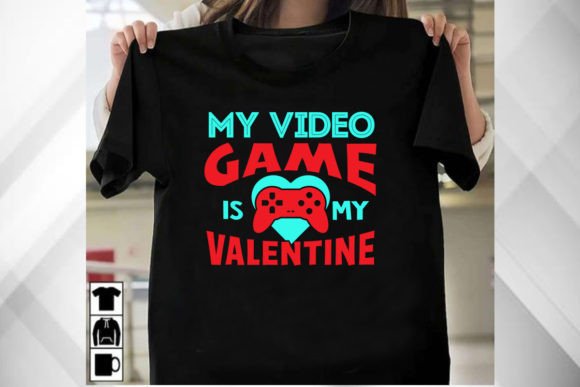
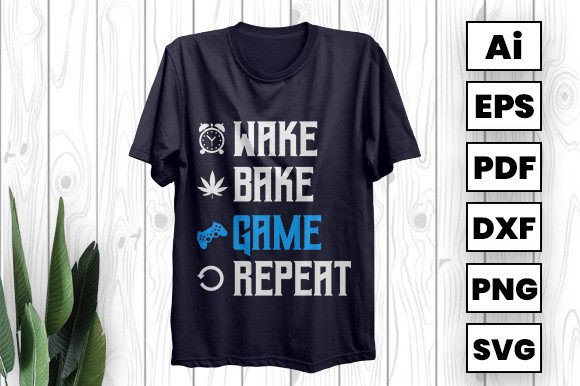
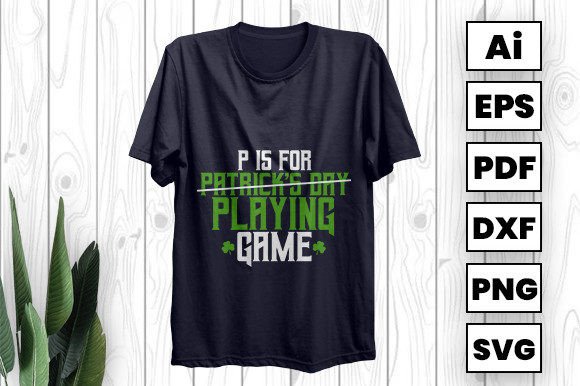
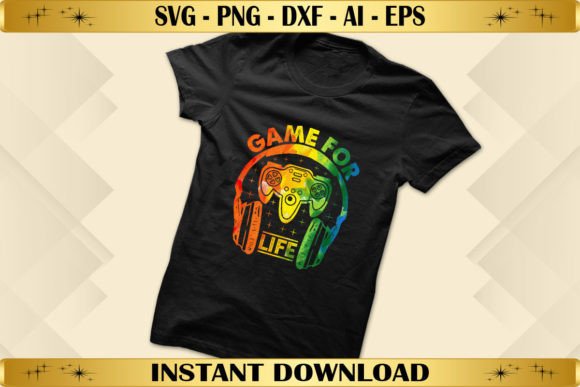
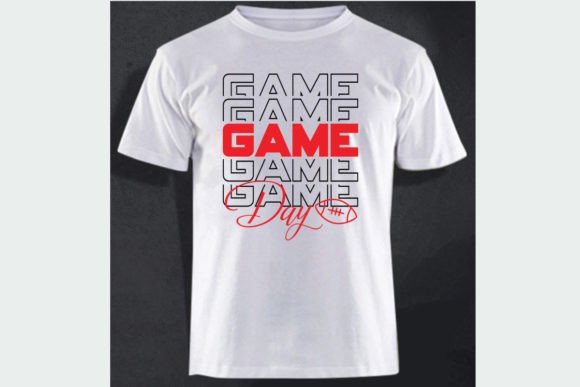
The immediate vibe of the Game Day T Shirt is energetic and bold. In the realm of T-Shirt Designs, energy is crucial because the garment itself is often a canvas for personality. The layout feels balanced, avoiding the common pitfall of being too top-heavy or cluttered. For an embroidery project, visual clarity is king. If a design relies on tiny details that get lost in thread tension, it fails. Here, the shapes are substantial enough to hold their own against the texture of a cotton jersey or a heavy hoodie fleece.
When I visualize this as a Graphics element for a custom apparel line, it screams team spirit without feeling generic. The design assets provided seem robust, suggesting they will hold up well even when scaled down slightly for smaller applications like a cap patch or a tote bag corner. However, the true test comes when we consider the stitch conversion. Does the vector art account for underlay? Does it anticipate where the thread might sink into a knit fabric? These are the questions that separate a hobbyist download from a professional tool.
Testing the Design: A Sweatshirt Scenario
To truly understand the utility of this file, let's walk through a real-life scenario. Imagine I am preparing a batch of personalized gifts for a local sports league. The plan is to embroider the Game Day T Shirt motif onto the left chest of heavyweight sweatshirts. This is a classic use case for sweatshirt embroidery, but it requires careful planning.
Before loading the machine, I would take a moment to inspect the stitch density. On a thick fabric like a sweatshirt, high-density fills can create a stiff, uncomfortable patch. If the Game Day T Shirt design features large blocks of solid color, I would likely adjust the pull compensation in my software to prevent the fabric from gathering underneath. Conversely, if the design relies heavily on running stitch outlines, I need to ensure they are thick enough to be visible from three feet away. In this specific context, the design seems to strike a good balance, offering enough detail to look professional while maintaining open spaces that allow the fabric to breathe.
Another critical factor is the choice of thread colors. For a game day theme, contrast is non-negotiable. If I am using a dark navy sweatshirt, the bright threads in the design must pop. The vector nature of the file allows me to easily swap colors to match specific team palettes, which is a massive advantage for an Etsy seller or small shop owner trying to offer customization options. This flexibility turns a single embroidery file into multiple product variations, maximizing the return on investment for the craft business.
Navigating Fabric Challenges and Limitations
While the design is versatile, it is not magic. There are scenarios where the Game Day T Shirt needs to be handled with extra care. One major consideration is the hoop size. If you are attempting to fit this entire composition onto a small 4x4 hoop, you risk compressing the elements too tightly, leading to registration issues where colors overlap incorrectly. Always check the dimensions before committing to a project.
Texture also plays a significant role. If you decide to apply this design to a textured fabric like a waffle-knit towel or a napped fleece, the fill stitch might not lay perfectly flat. In these cases, using a cutaway stabilizer becomes mandatory rather than optional. Without proper backing, the design could distort, ruining the professional finish of your finished product. Additionally, on stretchy fabrics like performance jerseys, the tension required to hold the shape of the embroidery might cause the fabric to ripple around the edges. A test run on scrap fabric is essential here to gauge how the material reacts to the needle penetration.
I would also advise caution when using this on dark fabrics without a tonal underlay. If the design includes light-colored elements, skipping the underlay step will result in the dark fabric showing through the gaps in the thread, making the colors look muddy. The design itself is beautiful, but its success depends entirely on your execution technique regarding stabilizers and layering.
Commercial Viability and Brand Consistency
For the creative entrepreneur or the boutique owner, consistency is what builds trust. Using a cohesive set of design assets across different products creates a recognizable brand identity. The Game Day T Shirt fits well within a broader strategy of selling spirited merchandise. Whether you are creating an embroidered patch for a hat or a full chest logo for a jersey, the visual language remains consistent.
This consistency directly impacts customer perception. A crisp, well-executed machine embroidery design signals quality. Customers buying handmade products or personalized gifts expect durability and attention to detail. If the stitching is loose or the design looks pixelated due to poor scaling, it undermines the value of the item. By choosing a vector-based source like this one, you ensure that the lines remain sharp regardless of the scale, provided you respect the minimum sizing limits.
Furthermore, for those selling digital files or printable mockups, having a high-quality source image is vital. You can generate stunning printable mockup images to showcase on your website or social media, giving potential buyers a clear idea of how the final custom apparel will look. This visual clarity drives engagement and increases conversion rates for your online store.
Practical Notes for the Embroidery Professional
Before you finalize any order or list a product for sale, there are a few non-negotiable steps to take. First, always test the design on a piece of scrap fabric that matches your final project material. Check the thread tension, the back of the stitching for puckering, and the overall alignment. Second, verify the licensing terms. While the description mentions commercial use for t-shirts and mugs, ensure you have the rights to sell the finished goods or the digital file itself if you are reselling the asset.
Review the stitch count relative to your time constraints. High-stitch-count designs take longer to run, which affects your production speed and pricing. Finally, consider the washing requirements. Game day gear gets worn hard and washed frequently. Ensure the applique design elements (if any) are securely stitched down and that the thread colors are colorfast. A design that looks great on day one but frays after two washes will hurt your reputation as a maker.
In conclusion, the Game Day T Shirt offers a strong foundation for various commercial embroidery projects. It brings the right amount of energy and visual weight to handmade products, from baby clothes to adult hoodies. With the right preparation, stabilizer choices, and attention to detail, it can become a staple in your portfolio, helping you deliver high-quality, memorable items for your clients and customers.