P is for Playing Game: A Designer's Review
As a professional who has spent years navigating the intersection of digital art and physical stitching, I approach every new machine embroidery design with a critical eye. It is not enough for a file to look good on a screen; it must translate seamlessly into thread, stabilizer, and fabric. Recently, I downloaded the P is for Playing Game graphics pack to evaluate its potential for my upcoming craft business line. This review breaks down how this specific design holds up under real-world scrutiny, moving beyond the marketing buzzwords to discuss actual stitch performance and commercial viability.
First Impressions: Visual Personality and Mood
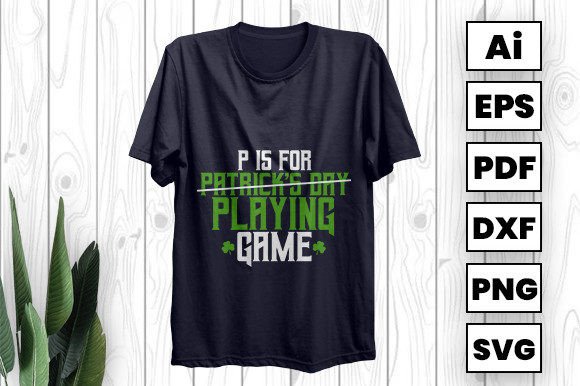
When I first opened the ZIP folder containing the digital embroidery file, the initial visual impact was immediate. The theme of "Playing Game" suggests energy, fun, and movement, which are crucial elements when designing for children or playful adult markets. The layout of P is for Playing Game feels balanced, avoiding the common pitfall of being either too sparse or overly cluttered. In the world of T-Shirt Designs, balance is everything because the human body moves, and the fabric stretches. If a design is too rigid or heavy in one area, it can distort during wear.
The visual personality here leans towards modern and accessible. It does not rely on intricate, microscopic details that often get lost in translation from pixel to thread. Instead, it uses bold shapes and clear lines. This is a strong indicator of a well-thought-out Graphics asset. For an Etsy seller or small shop owner, this kind of clarity translates to higher customer satisfaction. When a client sees a finished product where the lettering is crisp and the imagery is distinct, their trust in your craftsmanship increases immediately.
Real-World Application: From File to Finished Product
To truly test the utility of P is for Playing Game, I visualized a specific project: a custom embroidered tote bag for a local boutique. Tote bags are a staple for craft businesses, but they present unique challenges due to the thickness of the canvas and the way the fabric drapes. I imagined placing this design on the front pocket of a natural cotton tote. The boldness of the "P" would anchor the design, while the playful elements surrounding it would add just enough whimsy without overwhelming the texture of the fabric.
In this scenario, the stitch density becomes a critical factor. If the fill stitch is too dense, the thick canvas might pucker, ruining the professional look of the handmade product. Conversely, if it is too open, the design might lack presence. Based on the preview, P is for Playing Game appears to offer a moderate density that should work well on medium-weight fabrics like those found in tote bags or sweatshirts. This versatility makes it a valuable asset for creating custom apparel ranging from baby onesies to adult hoodies.
I also considered using this design for a holiday gift set, perhaps as an embroidered patch on a winter hat. The playful nature of the theme fits perfectly with the seasonal market for personalized gifts. Whether you are selling these as ready-made items at a craft fair or offering them as made-to-order personalized gifts, the ability to adapt the design to different products is key to maximizing your return on investment.
Navigating Challenges: Where Caution is Required
While P is for Playing Game shows great promise, no design is universally perfect without proper execution. There are specific scenarios where this embroidery project requires extra attention. One major concern is the use of thin or highly stretchy fabrics, such as lightweight jersey or silk blends. The weight of the thread, especially if there are significant areas of fill stitch, could cause the fabric to gather or warp. In these cases, a heavy-duty cutaway stabilizer is non-negotiable to maintain the integrity of the garment.
Another area of caution involves curved surfaces, such as baseball caps. While the design looks flat and clean on a mockup, translating it onto a structured cap brim can be tricky. The tension changes on a curve, and tight corners in the lettering or graphics might pull. If you plan to use this for sweatshirt embroidery or caps, I strongly advise testing the design on a scrap piece of similar material first. Check the running stitch outlines to ensure they hold their shape without breaking or sinking into the fabric pile.
Dark fabrics also present a challenge. If you intend to use this design on a black hoodie or a navy blue apron, the contrast of the thread colors will determine the final readability. A design that relies on light shades might disappear against a dark background unless you utilize a backing layer or adjust the color palette. Always review the design in black and white printable mockups before committing to expensive thread and fabric to ensure the silhouette remains visible.
Practical Notes for Designers and Business Owners
For those looking to incorporate P is for Playing Game into their commercial workflow, here are some essential steps to ensure success. First, always confirm the licensing terms within the download. As a commercial embroidery asset, understanding whether you can sell the finished goods or just the files is vital for legal compliance. Second, check the recommended hoop size. Even though the design may appear compact, the machine needs room to maneuver, especially around the edges of the hoop.
Before running your first production batch, perform a test run on scrap fabric. Inspect the satins stitch areas for smoothness and the fill areas for even coverage. Look closely at any tiny lettering or detailed corners to see if they need simplification. This step protects your reputation; nothing damages a brand faster than a poorly executed stitch job on a high-value item.
Finally, consider how this design fits into your broader brand identity. Does the playful aesthetic of P is for Playing Game align with the other design assets in your portfolio? Consistency builds recognition. If you are an Etsy seller focusing on nursery decor, this design fits naturally alongside baby embroidery projects. However, if your niche is corporate branding, it might feel out of place unless used for specific team-building merchandise.
Final Verdict on Value and Appeal
In conclusion, P is for Playing Game is a robust addition to any creative entrepreneur's library. It strikes a difficult balance between visual interest and technical feasibility. The design encourages creativity, allowing makers to experiment with different fabric textures and color combinations while maintaining a professional finish. Whether you are creating a kitchen towel for a friend, a limited-run holiday embroidery collection, or a staple item for your online store, this graphic offers the flexibility needed to succeed.
The true value of this machine embroidery design lies in its adaptability. It respects the limitations of the medium while pushing the boundaries of what a simple letter and theme can achieve. By following best practices—testing on scraps, choosing the right stabilizer, and verifying license terms—you can turn this digital file into a tangible, high-quality finished product that customers will love. For anyone serious about elevating their handmade offerings, this is a design worth exploring.