The Break Game Design for T-shirt Review
As a designer who has spent years navigating the gap between digital art and physical stitching, I approach every new asset with a critical eye. The market is flooded with generic T-Shirt Designs, but finding a piece that translates well from a screen to a hoop requires more than just high resolution. Today, I am evaluating The Break Game Design for T-shirt. My goal is not to simply describe the file, but to determine if this graphic holds up under the scrutiny of real-world embroidery projects, client expectations, and the demands of a small craft business.
First Impressions: Visual Weight and Mood
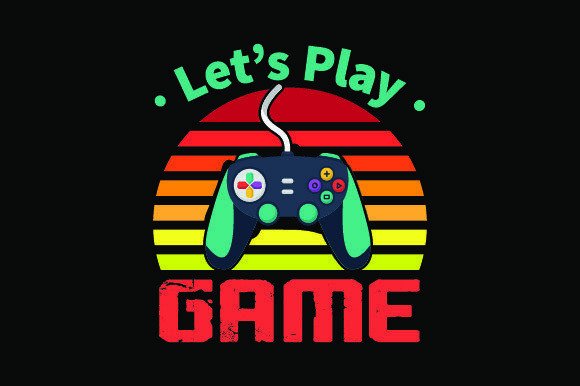
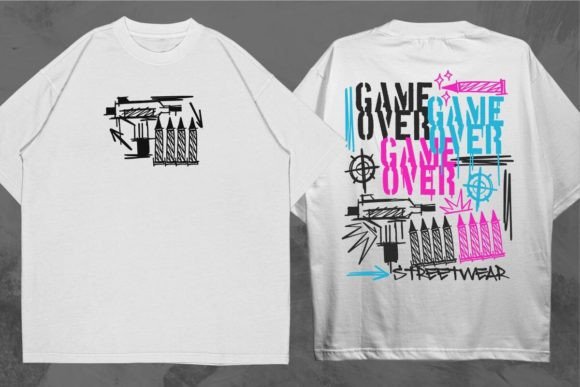
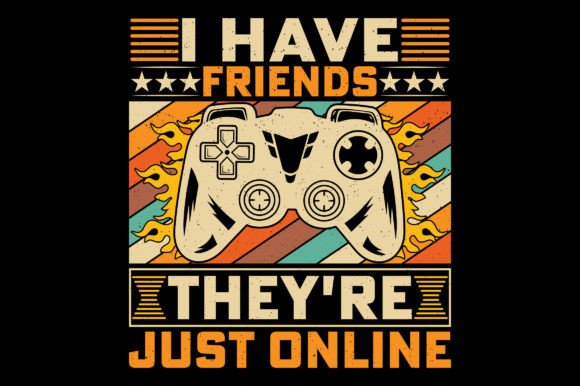
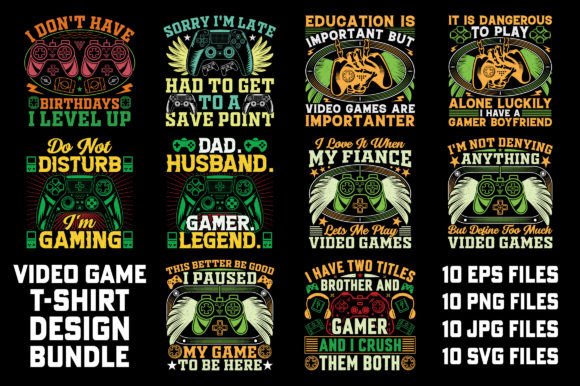
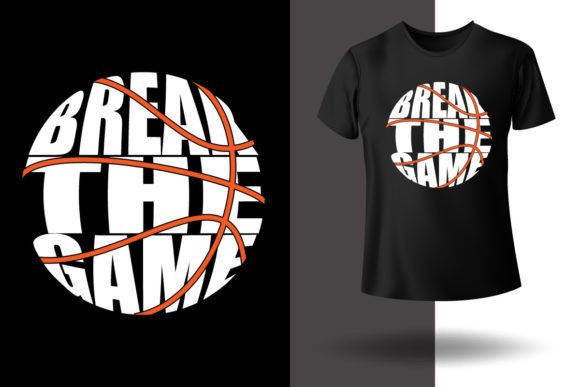
When I first opened the preview of The Break Game Design for T-shirt, the immediate reaction was one of bold energy. The layout suggests a dynamic theme, likely appealing to a younger demographic or those interested in gaming culture. In the world of Graphics, visual personality is everything. This design does not shy away from making a statement. However, as an embroiderer, my mind immediately shifts from "how cool does this look?" to "how will this stitch out?".
The shapes appear clean and defined, which is promising. For a design to work in machine embroidery, it needs distinct boundaries. If the lines are too thin or the details too intricate, the final result can become muddy. From the High quality with 300 dpi description provided, we know the raster images are sharp, but the true test lies in the vector data. The fact that it comes as a Fully Editable Vector EPS, and SVG is a significant advantage. It means I can adjust anchor points, simplify complex curves, and ensure the stitch density remains balanced before I even load the machine.
A Real-World Scenario: The Custom Sweatshirt Project
To truly understand the potential of this asset, let’s place it in a realistic scenario. Imagine a local boutique owner approaches me with an order for a limited run of custom sweatshirts for a gaming event. They want something that stands out on a heavy cotton blend. I pull up The Break Game Design for T-shirt and begin the digitization process in my mind.
For a sweatshirt, the fabric texture is crucial. Fleece and French terry have a nap that can obscure fine details. If this design relies heavily on tiny lettering or delicate outlines, it might get lost in the pile of the fabric. However, if the core elements are bold blocks of color, it would translate beautifully into a dense fill stitch. I envision placing this design on the center chest of a charcoal grey sweatshirt. Using bright thread colors against the dark background would create high contrast, ensuring the finished product looks vibrant and professional.
This same logic applies to other items. Could it work as an embroidered patch? Absolutely, provided the edges are sealed correctly. Would it suit a tote bag design? Yes, canvas is forgiving and allows for larger hoop size placements. But for a baby embroidery project, I would need to be cautious. Infants need soft, flat finishes without excessive bulk, so I would need to check if the design can be simplified to reduce thread buildup.
Navigating Technical Challenges and Fabric Limitations
Every design has its limits, and The Break Game Design for T-shirt is no exception. As a reviewer, I must point out where this asset requires careful handling. First, consider the fabric type. While the design is Ready to a printed t-shirt, mug, sticker, apparel, clothing, poster, etc., printing and stitching are vastly different processes. A design that looks crisp on a poster might struggle on stretchy jersey knit.
If you plan to use this on a fitted t-shirt, the tension of the fabric during stitching can distort the shape. You must use a proper stabilizer—likely a tear-away or cut-away depending on the weight of the shirt—to prevent puckering. Similarly, curved surfaces like caps present a unique challenge. The cap attachment hoop forces the fabric to curve, which can cause registration issues in designs with tight corners or long running lines. Before committing to a full production run of hats, I always recommend testing the design on a scrap piece of similar material.
Another area of concern is thread colors. The vector nature of the file allows you to change colors easily, but in embroidery, color blending is tricky. If the design calls for gradients, they must be simulated through satin stitch or specialized fill patterns, which increases stitch count and cost. For a small shop product or Etsy seller, keeping the color palette simple often ensures better quality control and faster turnaround times.
Enhancing Value and Professional Presentation
Using a high-quality asset like The Break Game Design for T-shirt directly impacts the perceived value of your handmade goods. Customers today expect precision. A poorly stitched design with loose threads or misaligned layers can ruin the reputation of a brand. By utilizing the editable features of the EPS and SVG files, you can tailor the design to fit specific branding needs, ensuring consistency across your commercial embroidery projects.
Think about the unboxing experience for a personalized gift. When a customer receives a hoodie with a perfectly executed version of this design, their trust in your craftsmanship grows. This leads to repeat business and positive reviews. Conversely, rushing the process without checking the digital embroidery file settings can lead to frustration. Always review the design in black and white mockups first to see how the tonal values read. Sometimes, what looks good in color loses definition when converted to monochrome stitching.
Practical Notes for the Designer
Before you purchase or license The Break Game Design for T-shirt for your business, here are a few essential steps to take:
- Test on Scrap Fabric: Never skip this step. Stitch the design on a spare piece of the actual fabric you intend to use to check for tension and density issues.
- Verify Hoop Size: Ensure the dimensions of the design fit within your machine's maximum hoop size without needing to re-hoop, which can cause alignment errors.
- Check Licensing: Confirm whether the license allows for selling finished products or if it is restricted to personal use. Many sellers overlook this until they are ready to launch a collection.
- Inspect Small Details: Zoom in on the vector file to see if there are any overlapping paths or extremely small gaps that could cause skipped stitches.
- Compare Backgrounds: Test how the design looks on both light and dark fabrics to ensure visibility and aesthetic appeal.
In conclusion, The Break Game Design for T-shirt offers a strong foundation for various embroidery projects. Its versatility as a vector file makes it a valuable addition to a designer's toolkit, provided you apply technical skill and judgment during the execution phase. Whether you are creating a holiday gift, a boutique item, or a large batch of custom apparel, the key lies in preparation. Treat this design not just as a file to download, but as a blueprint for a tangible, high-quality product that reflects your professional standards.